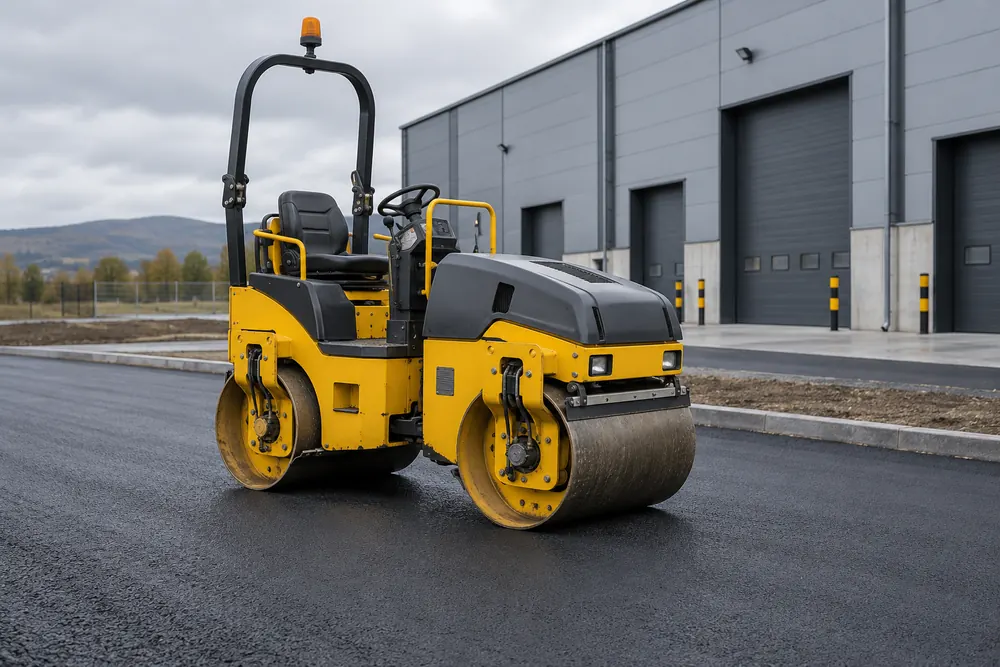
Compaction Starts With The Specification
Compaction roller hire in Glasgow supports the preparation and finishing of commercial surfaces. The equipment must suit the material and the specified result. A roller that is useful for an open asphalt area may not be suitable for confined reinstatement beside a building or buried service.
We take enquiries for commercial yards, access roads, contractor compounds and other business premises. Explain whether you are working with granular fill, sub-base or asphalt. Include the area, access width, layer design and any requirements set by the project engineer or surfacing contractor.
Plant selection cannot replace an agreed compaction method. Material properties, moisture condition, layer thickness and support beneath the work all influence the result. The person controlling the specification should confirm the equipment and acceptance requirements before work starts.
Roller Or Plate Compactor
A roller can suit larger accessible areas where the machine has a safe operating route. A plate compactor may be considered for smaller or restricted sections. Trench work, edges and interfaces can need different equipment from the main open area.
Tell us about drainage channels, inspection chambers, kerbs and changes in surface level. These details can affect the working width and access. A machine that passes through the gate still needs room to turn and operate without damaging adjacent features.
Check vibration restrictions near structures, sensitive equipment and services. A production facility may have requirements that differ from an unoccupied yard. Discuss the work with the responsible site or project team and identify any areas requiring a different method.
Safety, Vibration And Work Equipment
PUWER applies to compaction equipment used at work, including hired machinery. The equipment must be appropriate for the task and operated by people with suitable information and training. Guards, controls and safe maintenance arrangements need to be considered.
The Control of Vibration at Work Regulations 2005 address vibration exposure at work. Hand-guided equipment can create hand-arm exposure, while ride-on plant requires consideration of whole-body vibration. The relevant assessment depends on the actual equipment and operating conditions.
The site plan must also address reversing, pedestrians, slopes and excavation edges. Keep people out of the operating area and follow the machine instructions for gradients and parking. Noise and exhaust emissions need assessment, especially near occupied buildings or within partly enclosed areas.
For a construction project, CDM 2015 provides the wider duty framework. Allocate responsibility for surface preparation, traffic control and work inspection. The supplier’s handover information supports the job, but the site team still controls how and where the equipment is used.
The Hire Process For Surfacing Work
First, send the site postcode, requested dates, material and work area. Include the narrowest access width, any slope and the layer specification available from the project team. State whether you are considering a ride-on roller or need advice on another compaction category.
Next, review the proposed equipment and confirm machine dimensions, transport and operating information. Check whether water arrangements, fuel or other supporting items are needed. Agree the delivery sequence with the people supplying and laying the material.
At handover, record equipment condition and confirm instructions and defect reporting. Check the intended route and working area before starting. The operator must understand the controls and any vibration modes fitted to the proposed machine.
During work, follow the agreed method rather than using an arbitrary number of passes. If the material condition or supporting surface differs from the specification, ask the responsible supervisor to review the approach. Equipment hire alone does not verify the finished compaction result.
When finished, confirm off-hire and collection. Check cleaning and fuel requirements under the hire terms, and leave the equipment secure in an agreed accessible position. Report any damage or fault rather than leaving it for the next user to discover.
What Affects Roller Hire Cost
Machine type, operating weight, working width, duration and transport affect the quotation. Check the roller’s refuelling and cleaning charges, plus the damage liability or insurance terms, before agreeing the hire. Ask for the complete package and confirm VAT treatment before comparing quotes.
Scheduling matters for surfacing projects. Check when the equipment must arrive relative to material deliveries and how delays will be handled. A hire extension, aborted delivery or extra collection journey may carry conditions that should be understood in advance.
For a wider groundworks project, include excavation equipment and materials transport in your enquiry. Describe the full sequence so the proposed plant can be reviewed alongside access and the commercial site programme.
Compaction Roller Hire Questions
Should I Hire A Roller Or A Plate Compactor?
Roller or plate compactor selection depends on the material, working area, layer design and access. Rollers may suit open areas, while confined sections can need a different compactor. Send the project specification and site constraints with your enquiry.
The person responsible for the finished surface should confirm the proposed method and equipment before work starts.
How Many Passes Will The Roller Need?
The number of roller passes depends on the material, layer thickness, moisture condition, supporting ground and specified result. It should follow the project method and any required checks. A hire quotation cannot set a universal pass count.
Ask the responsible engineer or surfacing supervisor to confirm the procedure and review it if conditions change.